Deep Dive
来自我们记者的行业洞察
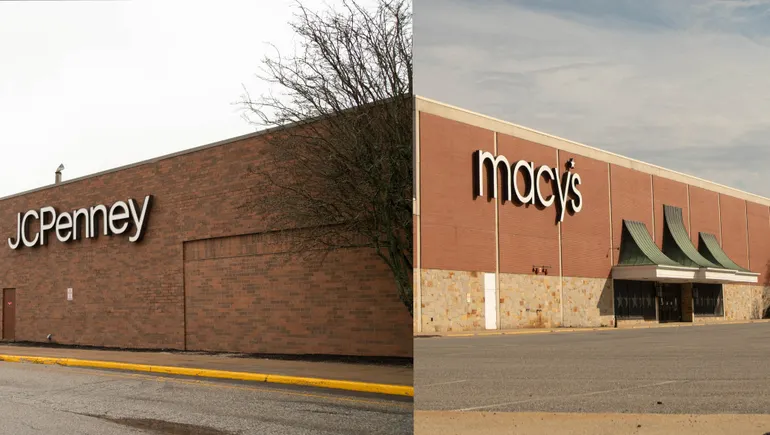
Diverging Real Estate Strategies in Department Stores: The Paths of Macy's and J.C. Penney
Macy's and J.C. Penney, as two major representatives of the U.S. department store industry, show clear divergence in their physical store strategies. Macy's plans to close 150 more stores over the next three years and accelerate the opening of smaller stores; J.C. Penney, on the other hand, maintains its shopping mall anchor position, with its landlord shareholders indicating no expectation of large-scale store closures. Analysis suggests that their ownership structures—Macy's being a publicly listed company and J.C. Penney being held by shopping mall REITs—are key to the strategic differences.

Golf Fashion Steps into the Mainstream: A Cultural Shift from the Course to Everyday Wear
Golf is undergoing a cultural renaissance: participation surpassed 40 million for the first time in 2022 and has continued to grow, with 2024 reports showing that Asian, Black, and Hispanic golfers account for 23% of players. Younger participants (ages 6 to 34, nearly half) are driving apparel brands to blend performance with street style. From Under Armour's functional designs to Eastside Golf's collaboration with Jordan, and Tiger Woods' Sun Day Red, golf fashion is breaking beyond the course to become part of the mainstream lifestyle.

Store technology upgrades should not come at the cost of layoffs
In recent years, due to factors such as operational adjustments, recruitment difficulties, and cost reduction, the number of employees in some retail stores has significantly decreased. However, experts warn that excessive workforce reduction may harm customer experience and employee morale, ultimately affecting sales. Although technology applications can improve efficiency, they cannot fully replace manual services. A reasonable balance between technology and human investment is the right path for the sustainable development of the retail industry.
Why is the definition of organized retail crime (ORC) so vague?
Organized retail crime (ORC) lacks a unified definition among the retail industry, law enforcement agencies, and researchers, making its scale difficult to accurately assess. Industry surveys and legislative citations often conflate concepts, and experts call for establishing industry-recognized terminology and improving inventory visibility.

New Developments in the TikTok Ban: How It Differs from Before and How Marketers Should Respond
The U.S. House of Representatives passed the Protecting Americans from Foreign Adversary Controlled Applications Act by a vote of 352-65, requiring TikTok to divest within 165 days or face a ban. Compared to 2020, this ban attempt appears more severe due to congressional support, presidential statements, and a broader social context. Marketing experts advise brands to prepare contingency plans in advance, with budgets potentially shifting to Instagram Reels and YouTube Shorts.

Can the retail industry truly sell "Hygge"?
Retailers heavily promote the concept of "hygge" during the holiday season, but can this Nordic philosophy of happiness truly be commodified? Through expert opinions and case studies, this article analyzes the tension between hygge and consumerism, as well as the emotional value behind gifts.

Retail Faces a Crime Problem: The Truth in the Data Fog
The issue of retail theft is often emphasized in industry reports and media coverage, but deeper analysis reveals problems such as ambiguous definitions, sample bias, and misuse in the relevant data. This article reviews the industry's major statistical sources, uncovering the complexity behind the data.

Boat shoe brand Sperry seeks lifeline: Wolverine Worldwide's strategic restructuring and sale considerations
After a 23.7% decline in third-quarter revenue, Wolverine Worldwide is accelerating restructuring and considering selling its boat shoe brand Sperry. Analysts discussed potential buyers, including Designer Brands, VF Corp., among others, but believe Sperry still holds brand value and may attract strategic buyers or private equity.