
Deep Dive
来自我们记者的行业洞察
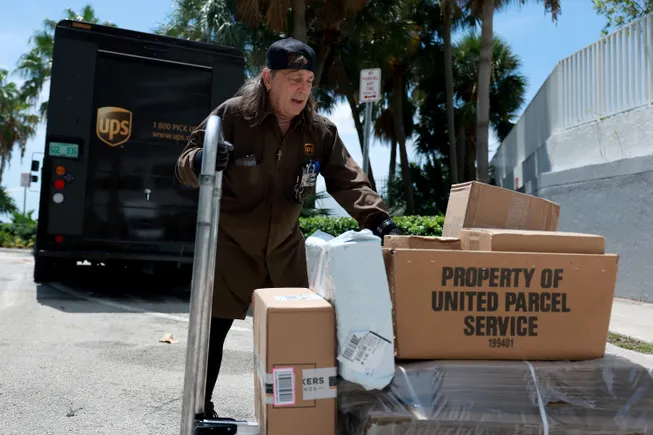
Why Some Shippers Still Aren't Diverting Package Volume Amid UPS Strike Threat
The contract between UPS and the Teamsters union is set to expire on July 31, and if no agreement is reached, a strike could occur on August 1. However, many shippers have not diverted their package volumes, citing reasons including confidence in successful negotiations, volume discounts and penalty clauses in contracts, and the complexity of testing new carriers. Meanwhile, some companies have developed contingency plans, such as adding backup carriers or utilizing regional logistics services.

Yeezy is just one of Adidas's problems: the retailer's gap with Nike has continued to widen over the years
The revenue gap between Adidas and Nike has widened from about $5 billion to $20 billion over a decade. In addition to ending its partnership with Kanye West, Adidas faces multiple challenges including stagnant sales growth, a weak North American market, and ineffective celebrity collaborations. New CEO Bjørn Gulden is trying to turn things around.
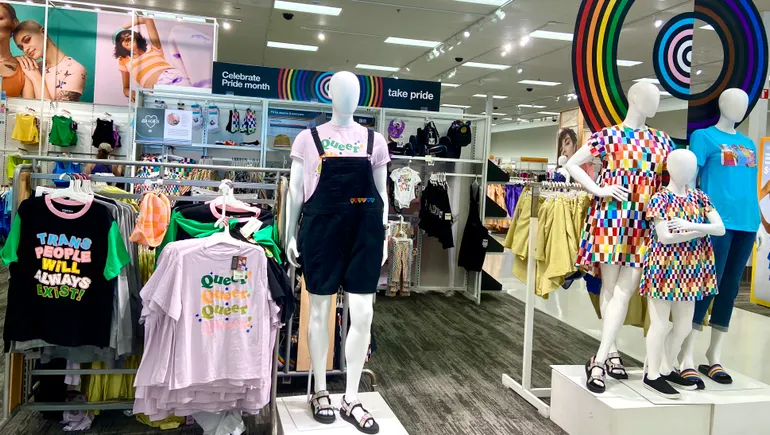
Will retailers retreat due to 'woke' culture?
This Pride Month, retailers face intense backlash from the far right. Belk canceled a drag show and removed children's Pride clothing, while Target pulled some items. Experts believe this tests companies' diversity commitments and advise firms to uphold human rights values rather than yield to the loudest opposition.
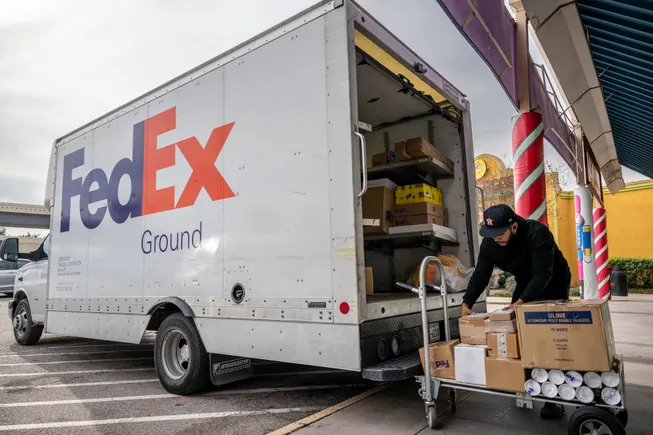
Delivery times continue to shorten, but the room for acceleration may be nearing its limit
The latest data from supply chain visibility platform Project44 shows that the average order fulfillment time in April 2023 has shortened to 4 days, marking the best level in recent years. However, industry analysts point out that as retailers face rising cost control pressures and consumers prioritize accuracy over speed, the continuous improvement of delivery times faces practical challenges.

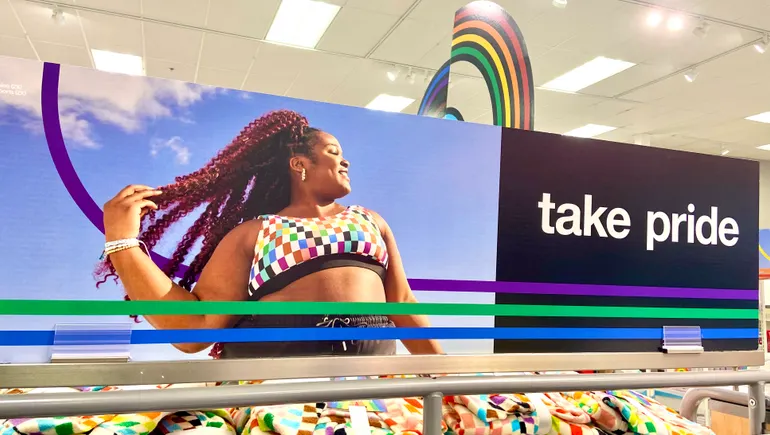
Target's Silence: From Proud Voice to Muted Retreat
Target withdrew part of its Pride collection ahead of Pride Month 2023 following boycotts, prompting a joint condemnation from over 100 LGBTQ+ advocacy organizations. Although the company issued a brief statement, it has not responded since. Experts note that retreating not only damages brand credibility but may also send the wrong signal to other businesses.


The garment manufacturing industry urgently needs technological upgrades: traditional models face challenges
The garment manufacturing industry has long relied on inefficient processes such as fax and manual ordering, facing multiple difficulties including a labor gap, high costs, and insufficient technology investment. Industry experts point out that the pandemic has exposed supply chain shortcomings and is driving the application of technologies such as AI and data analysis, but automation in garment development and sewing still faces significant challenges.

Why Bed Bath & Beyond's Private Brand Strategy Failed
In 2019, Bed Bath & Beyond hired former Target Chief Merchandising Officer Mark Tritton as CEO, hoping to achieve a revival by replicating Target's successful private brand strategy. However, the plan suffered severe missteps in customer perception, timing, marketing investment, and execution, failing to attract new customers while alienating existing ones, ultimately becoming one of the drivers of the company's bankruptcy. This article synthesizes insights from multiple industry experts to analyze the multifaceted reasons for its failure.
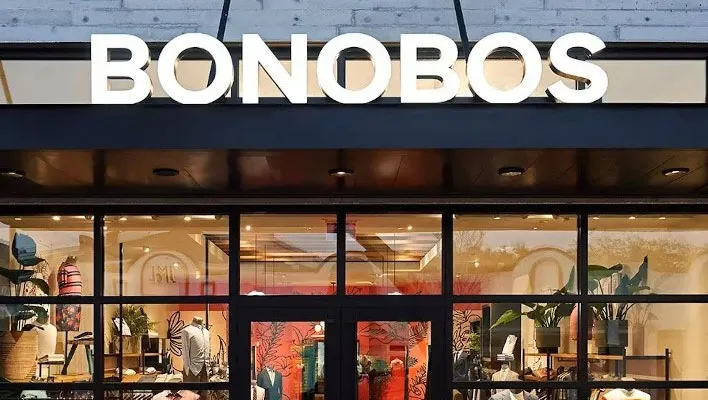
Why is Walmart successively selling DTC brands?
Walmart recently sold multiple DTC brands, including Eloquii, Bonobos, and Moosejaw, which is not a sudden shift but a continuation of its multi-year strategic adjustment. Walmart is shifting its focus to core retail operations and increasing investment in e-commerce technology and automation. The sold brands are expected to achieve more focused development under their new owners.