
Why is Walmart successively selling DTC brands?
Walmart recently sold multiple DTC brands, including Eloquii, Bonobos, and Moosejaw, which is not a sudden shift but a continuation of its multi-year strategic adjustment. Walmart is shifting its focus to core retail operations and increasing investment in e-commerce technology and automation. The sold brands are expected to achieve more focused development under their new owners.
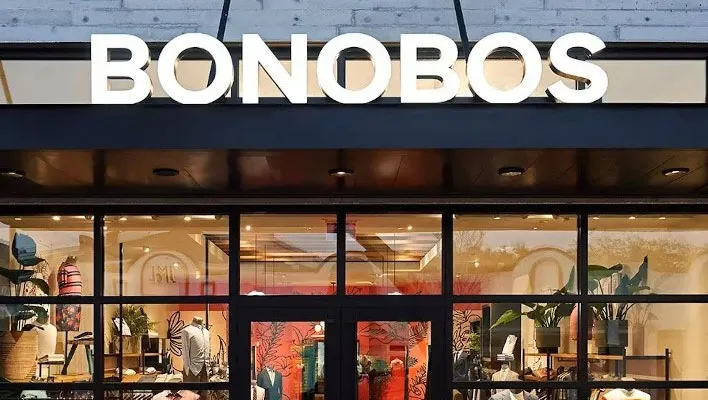
Over the past few years, Walmart has been gradually unwinding its ties to a series of e-commerce and direct-to-consumer (DTC) companies it acquired years ago.
Between 2016 and 2018, the big-box retailer made a major push into e-commerce with acquisitions of ModCloth, Bare Necessities, Jet, Shoes.com, Moosejaw, Bonobos and Eloquii.
When Walmart acquired plus-size brand Eloquii in 2018, leading its DTC business was Bonobos founder Andy Dunn, who was then senior vice president of Walmart's digital consumer brands. Dunn emphasized at the time the importance of DTC growth to Walmart.
"As the retail landscape evolves at light speed, we believe strongly in not just selling brands, but building brands and customer relationships," Dunn said in a statement to Retail Dive at the time. "That's why we're focused on building a distinct portfolio of DTC brands that offer unique merchandise you can't find anywhere else."
Yet within just two months this year, Walmart reached deals to sell two DTC apparel brands — Eloquii and Bonobos — as well as outdoor retailer Moosejaw.
Plus-size apparel company FullBeauty Brands will acquire Eloquii for an undisclosed amount, while WHP Global and Express Inc. agreed to acquire menswear brand Bonobos for $75 million — a steep drop from the $310 million Walmart paid for it back then.
At first glance, the sales appear to be a sudden reversal from Walmart's DTC investments. But over the years, Walmart has been steadily shifting its focus back to its core business, and divesting these brands is just the latest adjustment. Here's an analysis of what it means for Walmart and the brands it sold.
The big picture: Years of steady divestitures
Stepping back, Walmart has been steadily divesting its e-commerce and DTC businesses for years, not just in recent months.
Before selling Moosejaw, Eloquii and Bonobos, Walmart had already sold several of the companies it acquired during its e-commerce expansion.
In 2019, Walmart reached a deal to sell ModCloth, a vintage-style online clothing and accessories shop, to Go Global Retail, about two years after acquiring the brand. Walmart acquired ModCloth through Jet, the online retailer Walmart bought for $3 billion in 2016, which has since been discontinued, although Walmart said at the time that the company was "critical to accelerating our omni-channel strategy."
Shoes.com, acquired by Walmart in 2017, was sold to CriticalPoint Capital in 2020. Meanwhile, Walmart announced it had agreed to sell Bare Necessities, an intimates brand it acquired in 2018, to Delta Galil Industries.
But according to Joe Feldman, senior managing director at Telsey Advisory Group, Walmart's steady divestiture of non-core retail businesses extends beyond e-commerce and DTC.
"If you look back a few years, they exited Japan, they exited the U.K., they also exited Brazil," Feldman told Retail Dive. "They exited countries that weren't profitable enough or efficient enough. I think it's part of a streamlining process to get back to where they can have the most impact, be the most efficient and the most profitable."
The big-box retailer sold a majority stake in its Japanese supermarket chain Seiyu for over $1 billion in 2020, and that same year announced it would sell its U.K. business Asda for about $8.8 billion. A few years earlier, it sold a majority stake in its Brazil business to a private equity firm.
"I think they found that third-party brands can be just as effective and profitable, and maybe even more so than owned brands."
Whether Eloquii, Moosejaw and Bonobos were profitable under Walmart is unknown. Walmart has rarely mentioned the brands in earnings calls over the past few years, and a Walmart spokesperson told Retail Dive the company does not disclose sales or profits for individual categories or businesses.
In any case, according to Feldman, the acquired brands may have never been expected to become a significant part of Walmart's business, so their sales may not have much of an impact.
But what Walmart learned from the brands may have contributed to its e-commerce and marketplace growth. On the Q4 2018 earnings call, CEO Doug McMillon noted the company's focus on expanding its apparel business, and that ModCloth and Bonobos could be used to build out its merchandise assortment. Now selling them, Walmart says it did just that.
"These acquisitions accelerated our broader merchandise assortment strategy, adding new brands, more items and category expertise... These partnerships were mutually beneficial," a Walmart spokesperson told Retail Dive via email. "The acquired brands played an important role in our assortment expansion and category expertise, while Walmart helped them drive online growth and expand their retail footprint through our scale and customer reach."
In McMillon's annual shareholder letter released in February, the executive said e-commerce sales reached $82 billion and now account for 14% of Walmart's total sales.
Although Walmart sold Bonobos for less than its initial investment, according to Feldman, the company may be in a favorable position to take on such risks.
"I think they found that third-party brands can be just as effective and profitable, and maybe even more so than owned brands," Feldman said. "Not being afraid to fail is clearly part of Walmart's culture today, and I think it helps them become a stronger retailer."
Although Walmart has divested many digital-first brands and e-commerce businesses, its track record shows it still views e-commerce and technology as growth areas.
Investing in "where Walmart can be Walmart"
Walmart's mentions of "technology" and "fulfillment and delivery" more than doubled between Q1 2019 and Q1 2021, according to CB Insights, reflecting the company's shift in focus.
The new strategy is also reflected in its recent investment activity. Instead of acquiring DTC apparel brands, Walmart is buying retail technology companies.
Walmart acquired robotics fulfillment company Alert Innovation in 2022 and purchased a stake in Symbotic. According to CB Insights, the retailer has also invested in or partnered with nine other companies working on fulfillment technology.
Since 2020, the big-box retailer has invested in three last-mile delivery companies and acquired two, including a partnership with drone delivery company DroneUp. Additionally, Walmart has turned its attention to the Indian e-commerce market, involving PhonePe and Flipkart, and has been using Zeekit and MemoMi technology for virtual try-ons since 2021.
"I think it's easy to see that they continue to invest in e-commerce," Laura Kennedy, principal analyst at CB Insights, told Retail Dive. "They continue to invest in e-commerce areas where Walmart can be Walmart... What really shows up in the data we track is how they invest, acquire and partner with many technology companies, ultimately indicating that they are selling technology services to other retailers."
According to CB Insights, many of Walmart's acquisitions and investments have helped it build B2B services such as its white-label ground delivery service Walmart GoLocal, marketplace seller program Walmart Fulfillment Services, and fulfillment management service Store Assist.
Automation is also a key focus area for Walmart, which talked extensively about the topic at its annual investor meeting in April. Despite recent layoffs at its e-commerce facilities, Walmart said 65% of stores will have automation capabilities and 55% of fulfillment center volume will be handled through automated facilities within three years.
"A big part of their strategy today is using technology to drive efficiency," Feldman said. "Almost the entire investor meeting Walmart held a few weeks ago in Tampa was about warehouse automation... That creates a flywheel effect because you can reinvest the savings into lower prices, and lower prices mean people spend more."
However, Kennedy added that automation and robotics are typically an expensive undertaking.
"Automated fulfillment is a capital-intensive investment," Kennedy said. "You still need to invest in robotics, etc. But Walmart is scaling up, which is significant to me."
The retailer was an early partner of Alert Innovation as far back as 2016, but only recently has it worked to scale these capabilities.
"They did take their time. They didn't deploy everywhere, which tells you it may not be one-size-fits-all or solve everything everyone thinks it will," Kennedy added. However, the company seems to see a future in automation and is carefully considering return on investment as it moves forward.
But as Walmart adjusts its focus, a new chapter is opening for Eloquii and Bonobos.
Where Eloquii and Bonobos are headed
The new owners of Eloquii and Bonobos are more focused on the apparel industry, and the brands may occupy a larger share of their respective businesses than they did at Walmart.
"We've always had Eloquii on our list of brands we're interested in, and we have great respect for the brand," FullBeauty Brands CEO Jim Fogarty told Retail Dive. "If you look at their purpose, it's similar to our core mission... They, like our brands, not only offer inclusive sizing but are obsessed with fit, and so is our team."
FullBeauty Brands went through a 24-hour bankruptcy in 2019. Its restructuring plan handed ownership of the company to a group of lenders and cut $900 million in debt.
Since then, the company has refocused on growth. In 2020, it won the acquisition of plus-size apparel brand Catherines with a $41 million bid, adding to its portfolio of brands including Woman Within, KingSize and Swimsuits For All. Fogarty said the company has addressed some of the challenges that initially led to the bankruptcy.
"Gross margin and inventory management weren't good enough," Fogarty said of the business before the bankruptcy restructuring. "So we did a reset, along with the merchandise assortment... making better, smarter bets and inventory purchases."
Fogarty added that much of FullBeauty Brands' portfolio targets Gen X and baby boomers. Eloquii brings in a younger demographic that FullBeauty Brands wants to target more.
Eloquii will be an anchor tenant in a digital mall operated by FullBeauty Brands, joined by Swimsuits For All and June+Vie.
FullBeauty Brands is very focused on the online channel, which it says still has room for growth because it generates stronger free cash flow compared to physical retail. However, a physical presence is not out of the question, as Eloquii has operated stores in the past.
"I think the Eloquii team believes there's potential for them, so we're open to discussing all of that," Fogarty said. "Many DTC players, when they look for more paths to market, have opened physical stores. It's not in our near-term plans, but I'd say never say never."
While the plus-size company primarily focuses on the DTC channel, many of its brands — including Catherines and Eloquii — do sell select styles through some marketplaces, such as Walmart.
As for Bonobos, coming under WHP Global and Express may seem like a welcome change, given Express's history in the apparel industry. Express has bet on growing its DTC business through the launch of the UpWest brand in 2019 and by seeking growth through expanding its physical footprint.
At the time of the acquisition announcement, Express Inc. CEO Tim Baxter said in a statement: "Bonobos is delivering double-digit sales growth, and we plan to continue that momentum while realizing operational synergies and other economies of scale."
Under Walmart, Bonobos experienced layoffs and eventually sold sub-brands through Walmart, straying from its roots.
But its new parent companies are not without issues. Express has seen recent sales declines and received a delisting warning notice from the New York Stock Exchange in April.
Express will pay $25 million to acquire Bonobos' operating assets and assume liabilities, while WHP Global will pay the remaining $50 million to acquire the Bonobos brand. WHP Global, owner of Toys R Us, took a $260 million stake in Express in 2022, forming a strategic partnership. WHP Global's portfolio also includes Anne Klein, Lotto and Isaac Mizrahi. In March, WHP Global received a $375 million investment from Ares Management.
Both WHP Global and Express declined to comment further on the acquisition.
Although Bonobos sold for far less than Walmart paid years ago, the lower valuation is consistent with the situation of other companies in the DTC space.
CB Insights data shows that as of April 18, DTC darlings Warby Parker and Allbirds had seen their market capitalizations fall 72% and 91%, respectively, since their IPOs.
Global venture capital funding fell 35% in 2022 from the prior year, while VC deal activity in the U.S. retail sector fell 36%, marking a sharp shift in the capital environment as the industry faces macroeconomic pressures.
Correction: This article has been updated to more accurately reflect Walmart's investment in Symbotic.
