
Toy retail says goodbye to 'blockbuster dependence': transformation from cinemas to a full ecosystem
In 2019, toy retailers benefited from holiday blockbusters like Frozen 2 and Star Wars: The Rise of Skywalker. The pandemic closed cinemas and delayed films, briefly disconnecting toy licensing operations. However, industry data shows that overall toy sales grew against the trend during the pandemic, with licensed toy market share reaching a near 20-year high. Now, toy companies are reducing their dependence on theatrical films by leveraging evergreen IPs, rapid manufacturing, and diversified content ecosystems, while awaiting potential boosts from new releases like Barbie.
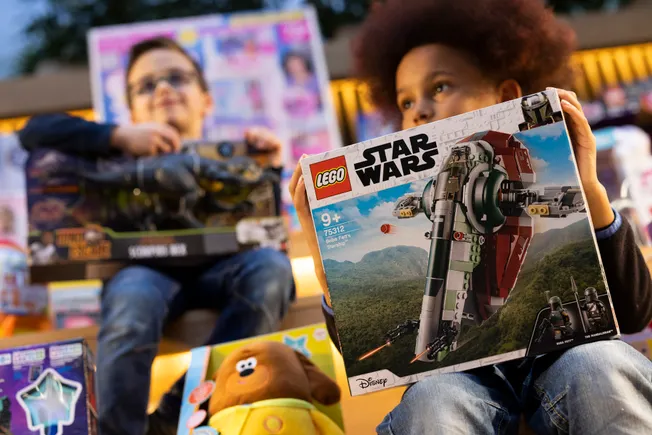
In 2019, toy retailers benefited from holiday blockbusters like Frozen 2 and Star Wars: The Rise of Skywalker, with other hit films in the spring and summer including The Lion King, Avengers: Endgame, Toy Story 4, and Spider-Man: Far From Home. Such films easily lent themselves to toy products and significantly boosted sales.
"When a movie really takes off—like Star Wars or certain Disney films in past years—they can be a powerful driver of sales," said Joe Feldman, senior retail analyst at Telsey Advisory Group. "They can become the 'must-have toy' of a holiday season."
Hasbro's entertainment and licensing revenue in the third quarter of 2019 reached $115.8 million, up 20% year-over-year, and the company highlighted early consumer enthusiasm for Frozen 2 and Star Wars products at the time. Then the pandemic hit, theaters closed, films were delayed, and toy companies were caught off guard. This impact is still visible in theaters today: the parent company of Regal Cinemas filed for bankruptcy in September.
"Licensing tied to entertainment has been a major part of the U.S. toy industry for decades," said James Zahn, editor-in-chief of industry publication The Toy Book, in an interview. "When the pandemic hit, licensed products were severely disconnected from content because theatrical releases kept being delayed."
According to Zahn, Trolls World Tour was one victim—products hit shelves in February 2020, while the film didn't reach screens until spring. Toys tied to Minions: The Rise of Gru and Top Gun: Maverick faced similar issues. Despite this, sales weren't as dismal as expected.
In 2020, Hasbro's licensing revenue fell to $89 million, down 23% year-over-year, even below 2018 levels. But according to Juli Lennett, U.S. toy industry advisor at NPD Group, overall industry toy sales through August that year were up 19% year-over-year; they rose another 19% in the same period in 2021; and through August this year, they were up 3%. Licensed toys outperformed the overall market in all 12 countries NPD currently tracks.
This year, toy companies once again have promising content on the horizon. Hasbro executives have listed Marvel's Black Panther: Wakanda Forever among seven major films for which the company is developing merchandise, along with more than 20 streaming or TV shows. But in the years since entertainment was challenged by the pandemic, toy companies have learned to survive without major theatrical releases and enthusiastic moviegoing crowds.
"Specifically this year, heading into the holiday season, our reliance on theatrical blockbusters is the lowest I've seen in years, aside from a few superhero films," Zahn said, referring to Black Panther: Wakanda Forever and DC's Black Adam.
Instead, toy companies are betting on evergreen intellectual properties like Star Wars and relying on faster manufacturing cycles to jump on whatever entertainment content consumers are paying attention to—whether or not it hits the big screen.
This doesn't mean movies no longer matter: blockbusters remain important sales drivers, and the film industry's recovery would benefit toy companies. But frankly, the toy industry's dependence on movies is not what it used to be.
Squid Game: The Hit No One Saw Coming
Box office revenue remains far below pre-pandemic levels (2021 box office was about 50% of 2019), yet the licensed toy business that depends on these films is growing.
According to Lennett, licensed toys currently account for 31% of total toy sales, one of the highest levels in nearly 20 years of tracking. That share has risen about 4 percentage points since 2019—a year when the film industry was performing better.
This isn't to say the sluggish movie market has had no impact on the toy industry. Zahn regularly visits stores and has observed over the past two years large amounts of licensed toys piling up or heavily discounted, indicating retailers have struggled to sell some licensed products. However, since overall toy sales have risen, the total impact on the market is hard to quantify. He estimates that the impact of the film industry's downturn on toy companies may have been concentrated from late 2020 to early 2021 and has largely subsided since.
Where has growth come from amid weak film performance? Zahn points out that even without feature film support, collectible toys have remained strong, with classic franchises driving sales. Lennett credits part of the growth to the adult market that emerged during the pandemic.
"I think it's adults' love of nostalgia and longing for happier, more carefree times," Lennett said. The pandemic forced adults to stay home, and the desire to reconnect with nostalgic franchises grew. "So they turned to Star Wars, Jurassic, Marvel, DC Comics, as well as Pokémon and sports trading cards. These categories have performed well during the pandemic and continue to do so now."
Although toy sales are up, the lagging movie market still has some negative effects. Before the pandemic, major theatrical releases offered toy companies not just merchandising opportunities but also multiple marketing windows—one during the theatrical run and a second promotional push when the film hit streaming or home entertainment, Zahn said.
"Theatrical films may not generate the same buzz they once did."
Now, many films go straight to streaming, leaving only one sales opportunity, and it's less effective than before.
"Streaming doesn't drive consumer product sales as much as major theatrical releases," Zahn said. "But at the same time, theatrical films may not generate the buzz they once did either. That's another side effect of the pandemic—fewer people going to theaters has actually made streaming more important."
Zahn cites Disney's Lightyear as an example. The film's merchandise was "excellent," but the movie didn't meet audience expectations, leaving products unsold.
Streaming is an imperfect solution to the film industry's woes, but it can still drive sales. Zahn observes that companies often see small sales spikes during the premiere week of a series or when new episodes drop. But streaming platforms have vast content libraries, and shows and movies can easily get lost.
"They may not have the long-lasting buzz to drive people into stores like a film that could become a national conversation for 30, 60, or 90 days," Zahn said. Even for hit streaming shows like Stranger Things, toy companies "want products on store shelves the moment the show drops, because once you're late, the buzz has faded. This shortens the window—it's a classic 'strike while the iron is hot' scenario."
Striking while the iron is hot requires faster manufacturing cycles than toy companies are used to. The industry likely remembers the astonishing popularity of "Baby Yoda" and the almost audible desperation of parents that holiday season—they couldn't find toys of the character.
Despite missing the initial wave, Mattel was able to design and ship products in under six months, which was "almost unheard of" in the toy space at the time, Zahn said. The typical manufacturing process takes about 18 months, but today, that speed is crucial for capitalizing on unexpectedly popular streaming content.
"If you have products on shelves when content drops and the show flops, you're stuck with inventory nobody wants. But conversely, if you encounter something like PJ Masks that everyone is obsessed with and you miss an entire year of sales because you didn't anticipate it—that's a huge loss," Zahn said. "Squid Game—nobody saw that coming."
Toy companies are speeding up their response times, but challenges remain. Zahn notes that Disney's She-Hulk and Obi-Wan Kenobi generated a lot of discussion, yet related toys were hard to find.
Fortunately, toy companies have more reliable revenue streams to supplement. As the film industry struggles, their reliance on these sources is deepening.
"The Barbie Movie Will 100% Drive Toy Sales"
One of the toy industry's biggest tailwinds might be the abundance of popular film franchises already on the market. Harry Potter, despite its last film releasing over a decade ago, remains a staple on toy shelves. And the content pool toy companies can draw from extends far beyond new releases, encompassing streaming series, video games, books, social media, and other entertainment forms. This diversification means the impact of a slowing film business is diminishing.
"Strength in any single area in a given season can certainly provide an incremental boost," Feldman said. "But I don't think the absence of a big film like Star Wars means Star Wars toys won't sell."
Interest in Star Wars is also sustained through shows like The Mandalorian on Disney+. Lennett notes that the Jurassic World business has a similar "halo effect"—beyond theatrical films, the Netflix animated series Jurassic World: Camp Cretaceous supplements the content pipeline. So even if streaming generates smaller sales increments, companies can still maintain franchise momentum.
"But I still think there hasn't been a truly streaming-driven toy phenomenon in the full sense of the word," Zahn said. "Some have come close, like Bluey. It's very hot right now, but the show also airs on regular television—it's not purely streaming content."
"Many of today's hot brands were already popular 20 years ago."
Zahn believes the key is for content creators to find a balance for popular franchises, leveraging the theatrical experience while supplementing blockbuster releases with streaming.
"It's no longer just about a film's release—it's about the entire ecosystem around it," Lennett said. "So while the movie market has been lackluster over the past few years, it hasn't stopped film franchises or film-licensed products from performing well."
Blockbusters are now just one of many tools toy and entertainment companies use to spark interest in new franchises or rekindle attention for brands that have existed for decades. Mattel and Hasbro have begun making movies purely based on their own hit toy lines. According to Lennett, the Transformers film series has been "very successful" at driving toy sales. And Barbie, the iconic doll with over 60 years of history, will also get a star-studded film next year.
"The Barbie movie will 100% drive toy sales. There are many grandmothers and mothers who played with Barbie. I'm 58—I played with Barbie as a kid... especially many women have nostalgic memories of playing with Barbie," Lennett said. "I can see three generations going to see that movie together."
The evergreen nature of toys like Barbie, Care Bears, and Hot Wheels provides toy companies with a sense of stability. Zahn points out that their reliance on hit TV shows or movies has greatly diminished.
"Many of today's hot brands were already popular 20, 30, or 40 years ago. They keep coming back because we've reached a cross-generational peak—the kids who played with these toys are now parents, grandparents, aunts, and uncles," Zahn said. "So by betting on these evergreen brands, they're actually avoiding putting all their eggs in the basket of theatrical blockbusters."
In a sense, the decline of movies is showing toy companies how vast the world is.
"It's no longer just about movies," Lennett said. "There are so many ways to reach consumers now."
