
UPS and FedEx Rate Increases Are Coming - How Can Shippers Prepare?
UPS and FedEx are about to raise delivery rates, with an average increase of 6.9%, but due to factors such as service type, package weight, and destination, actual cost increases may far exceed this figure. Experts advise shippers to pay attention to long-haul surcharges, remote area surcharges, and fuel surcharges, and to take advantage of the cooling demand to negotiate discounts.
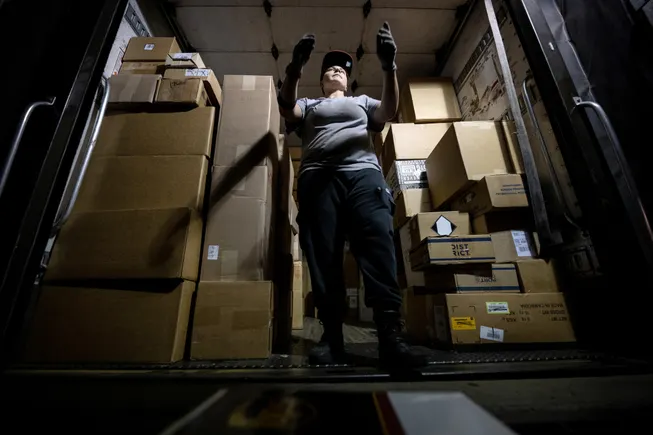
Despite continued declines in shipping volumes, both UPS and FedEx have announced average rate increases of 6.9% for their delivery services. However, the actual cost pressure from these rate adjustments may far exceed this figure, with the specific increase depending on the type of service used by shippers, package dimensions, and delivery destination. Additionally, higher increases for long-haul shipments, additional handling fees, and higher minimum package charges could further burden businesses.
"It's foreseeable that for many shippers, these adjustments will cumulatively represent a very significant cost increase," said Melissa Priest, founder and CEO of Alexandretta Transportation Consulting.
UPS stated in an email statement that the rate increases are intended to support network upgrades and maintain high service levels. Executives from both companies noted that inflationary pressures are one reason for this year's higher increases compared to last year. However, shippers are simultaneously facing a challenging macroeconomic environment, prompting them to resist rate increases more aggressively. As shipping volumes decline from their 2021 highs, carriers may be more willing to offer discounts in contract negotiations.
Here are key points that parcel shipping experts recommend shippers focus on when evaluating the impact of rate changes on their margins.
UPS and FedEx Rate Adjustments Show Minimal Differences
According to an analysis by Shipware, a parcel and LTL shipping consulting firm, UPS and FedEx rate increases are nearly identical across service categories and weight tiers.
Base Price Increases for Both Carriers Are Nearly Identical
| Service Category | UPS | FedEx |
|---|---|---|
| Ground Commercial | ||
| 1-5 lbs | 7.34% | 7.34% |
| 6-10 lbs | 7.16% | 7.16% |
| 11-20 lbs | 6.89% | 6.86% |
| 21-30 lbs | 6.85% | 6.84% |
| 31+ lbs | 7.06% | 7.05% |
| Next Day Air | 7.68% | 7.55% |
| 2nd Day Air | 7.64% | 7.64% |
| 3 Day Select | ||
| 1-5 lbs | 10.02% | 9.99% |
| 6-10 lbs | 10.02% | 10% |
| 11-20 lbs | 10.02% | 10.01% |
| 21-30 lbs | 10.02% | 10.01% |
Source: Shipware analysis. Note: UPS rate changes effective December 27, 2022; FedEx effective January 3, 2023.
The similar adjustments by both companies are no coincidence. Kevin Miller, Vice President of Data Insights at logistics software provider Sifted, noted that if one carrier implemented lower increases than its competitor, its network could become overwhelmed by a surge in demand, potentially harming service levels. "Their increases are always very close because currently neither side can absorb significantly more volume than the other," Miller said.
Surcharges Intensify Cost Pressure
The 6.9% average increase does not account for surcharges that may be added to final shipping costs, including residential delivery fees, oversized package handling fees, and remote area delivery fees—most of which will rise after the new rates take effect.
Shippers should especially pay attention to fuel surcharges, as they apply to every package, regardless of size or destination. Micheal McDonagh, President of Parcel Operations at AFS Logistics, reminded that both carriers' fuel surcharge percentages are adjusted weekly.
McDonagh's colleague, Mingshu Bates, Chief Analytics Officer at AFS Logistics, provided an example to illustrate the magnitude of surcharges: shipping a surfboard via FedEx Next Day Air from New York to Malibu, California, costs $153.77 this month, but will increase to $173.28 in January, according to AFS calculations.
Long-Haul Shipments See Larger Increases
The rate increases by FedEx and UPS are particularly impactful for shippers moving goods over long distances. Shipments in higher delivery zones will face larger increases. Miller stated that shipments crossing zone 5 and above see average rate increases of 7.8%, while those in zone 4 and below average 6.6%.
One way to mitigate the risk of high-zone shipping is to fulfill orders from warehouses closer to end customers. "Whether using third-party logistics providers or fulfillment centers, increasing the number of warehouses becomes more important because consumers urgently want faster, more on-time, and cheaper delivery," Miller said. "The only way is to expand the network."
Shippers able to shorten delivery distances will benefit from the trend of carrier diversification. Priest noted that increased competition from regional carriers focusing on short-haul routes has led to relatively moderate rate increases in shorter zones. "For UPS and FedEx, ignoring this impact would be unwise, and current pricing strategies reflect that," Priest said.
Remote Area Delivery Costs Rise
FedEx will impose a new surcharge of $13.25 per package for domestic shipments to designated remote ZIP codes in the U.S. mainland. Previously, UPS had announced a similar surcharge last year. UPS's per-package remote area surcharge for the U.S. mainland will increase to $13.05, effective December 27. Priest added that these fees are particularly impactful for merchants that frequently ship to remote areas, such as hunting gear sellers.
Analysis by independent parcel consultant Nicholas Fanelli (formerly Global Logistics Director at Gelato) shows that over 3 million people in the U.S. live in areas covered by FedEx's new remote surcharge. In a LinkedIn post, Fanelli suggested that e-commerce retailers should explore alternative carriers to avoid these surcharges, negotiate published rates with carriers, or pass the surcharges on to affected orders.
Cooling Demand—Will Shippers See a Turning Point?
Experts point out that shipping rates are negotiable, but the willingness of the two giants to make concessions remains to be seen. Since the pandemic triggered a surge in home delivery demand, carriers have had no shortage of business. As a result, ground shipping rates have climbed to historic highs, according to the Cowen/AFS Ground Parcel Freight Index. Bates said that when FedEx and UPS prioritize volume growth over higher margins, discounts are easier to obtain.
However, signs of cooling demand in both companies' recent quarterly reports suggest the pricing balance may be shifting back toward shippers. For example, UPS CEO Carol Tomé said on a Tuesday (referring to October 25, 2022) earnings call that the company is willing to pass some cost savings from internal productivity improvements back to customers. Although under Tomé's leadership UPS has prioritized increasing revenue per piece to expand margins, the company will balance this strategy with productivity initiatives to drive future growth.
"In fact, as we continue to improve productivity internally, we're willing to share some of those gains with customers through revenue sharing, why not?" Tomé said. "If we can increase delivery density... we'll share some of the benefits because it's the right thing to do."
Correction: This article has been updated to reflect a correction by Shipware to its original analysis, which was based on incorrect data. An earlier version also included a quote based on that analysis, which has been removed.