
Deep Dive
来自我们记者的行业洞察
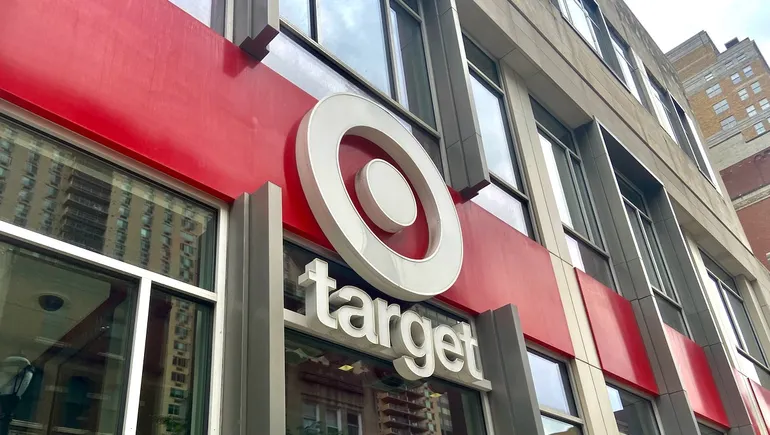
What went wrong at Target?
Target is going through a difficult period, with CEO Brian Cornell acknowledging in an email to employees in early May that leadership's silence had created uncertainty. Although the company has recently launched new brands, adjusted its executive team, and initiated a strategic restructuring, analysts remain doubtful about the speed of its turnaround. From a record $15 billion in sales growth in 2020, to revenue growth of only 2.9% in 2022 with operating profit plunging 57%, and consecutive sales declines in 2023 and 2024, Target's growth story has clearly slowed. Currently, consumer boycotts, shifts in DEI policy, tariff impacts, and competitive pressure from Walmart together constitute a severe test for this retailer.
How lower China tariffs will affect direct-to-consumer imports
Since the U.S. canceled the de minimis exemption for products from China and Hong Kong on May 2, direct mail import volumes have dropped significantly. Starting May 14, U.S. tariffs on Chinese goods were reduced from 145% to 30% for 90 days, bringing hope to direct mail carriers, but experts believe this is more about driving supply chain transformation than a full recovery. The article explores the impact of tariff reductions on the direct mail model, compliance issues, and industry response strategies.

Retail’s latest tariff challenge? Setting prices.
The uncertainty of tariff policies has made retail pricing exceptionally complex. Retailers must weigh rising costs against consumer price sensitivity while avoiding being perceived as "price gougers." Giants like Walmart choose to absorb costs to maintain low prices, while technologies such as AI pricing systems are becoming coping tools. Experts suggest alleviating pressure through communication, adjusting product assortments, and exploring private labels, but holiday season prices are expected to rise noticeably.
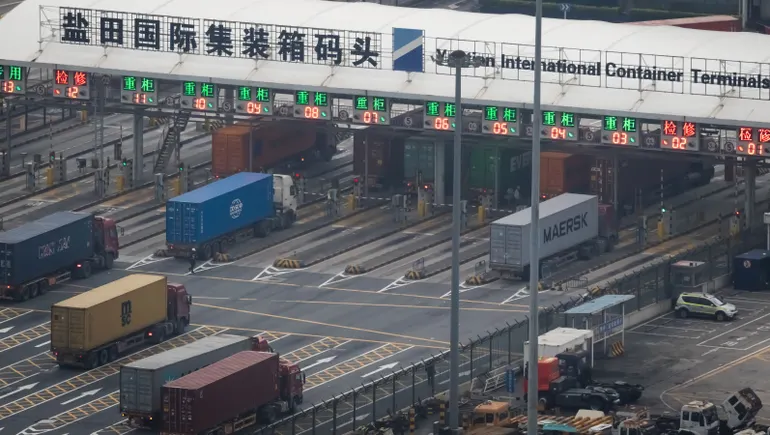
The complicated calculation of ending de minimis
The White House announced on April 4 that, starting May 2, goods from China and Hong Kong will no longer be eligible for the 'de minimis' duty exemption. This move will affect cross-border e-commerce platforms such as Shein and Temu that rely on duty-free small parcels, making supply chain shifts, rising costs, and consumer price pressure key industry concerns.
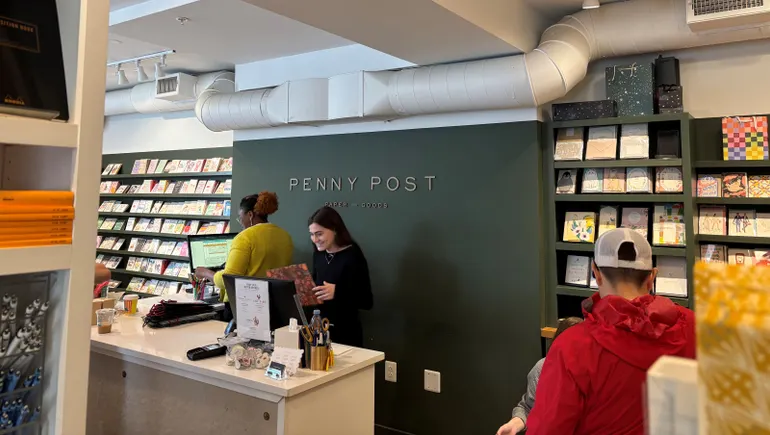
The enduring appeal of pens and paper in a digital era
Despite digitalization sweeping through life, physical stationery such as pens and paper still has loyal followers. Large chains like Papyrus and Paper Source have experienced store closures or bankruptcy, but independent retailers thrive through personalization, community engagement, and unique product selection. Stationery quality from countries like Japan and Germany is highly esteemed, while U.S. domestic manufacturing faces challenges. Recent tariff policies may drive up costs, but industry practitioners remain optimistic about the future of this niche market.
Fashion industry reacts to sweeping tariff changes
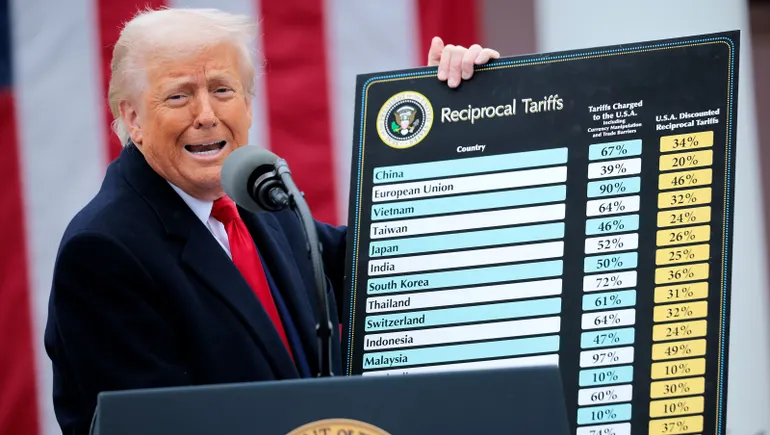
US President Trump announced comprehensive tariff adjustments, including a 10% universal baseline tariff and higher rates targeting major trading partners. As an industry heavily reliant on global supply chains, the apparel sector faces challenges such as rising costs and supply disruptions. Organizations including the American Apparel & Footwear Association and ThredUp, along with multiple analysts, have expressed views that tariffs will push up prices, affect consumption, and potentially accelerate supply chain restructuring.

In the battle of Saks vs. customers, vendors and Dallas — Nordstrom wins
Since acquiring Neiman Marcus, Saks Global has faced strained relations with the Dallas city government, suppliers, and customers, potentially leading to market share loss. Nordstrom, leveraging its store scale, merchandising strategy, and customer service strengths, emerges as a potential beneficiary.

DEI could get better than ever
Despite ongoing opposition and legal challenges to DEI in the United States, most companies have not abandoned their related commitments. Experts point out that under risk and compliance pressures, companies are taking this opportunity to clarify the meaning of DEI and deeply integrate it with long-term business strategies, potentially ushering in a more pragmatic and sustainable development phase.

Should Macy’s be more like Dillard’s? Maybe.
Investment firms Barington Capital and Thor Equities recently advised Macy's to adopt the capital allocation strategy of its peer Dillard's to enhance shareholder value. However, retail experts note that significant differences in operational models, family control, and store performance make a simple comparison inappropriate. Macy's transformation plan has shown initial results, but it needs to find a balance between capital expenditure and store optimization.

Nordstrom and Macy’s abandoned the ‘retail inventory method’ after using it for decades. Here’s why.
Several major U.S. retailers have long used the Retail Inventory Method (RIM) to estimate inventory, but this method relies on price changes and can distort operating metrics. Macy's and Nordstrom have shifted to cost accounting methods to improve data accuracy and decision-making efficiency.