Deep Dive
来自我们记者的行业洞察
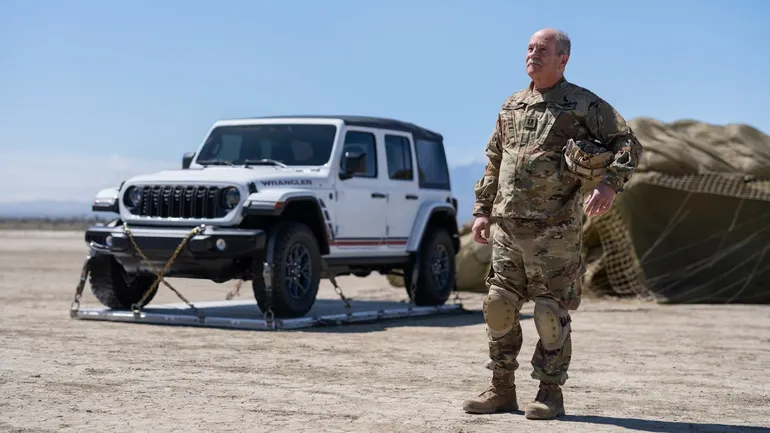
How brands are celebrating 250 years of America amid political polarization
As America's 250th anniversary (July 4, 2026) approaches, brand marketing faces an unprecedentedly complex environment: patriotic pride among citizens is at historic lows, political polarization is intensifying, and culture wars continue to spread. Based on Gallup polls, the Brand Keys patriotic brand index, and insights from multiple industry executives, this article analyzes how brands such as Jeep, Coca-Cola, Kraft Heinz, Ford, Chevrolet, and Clorox build authentic patriotic brand associations while avoiding political pitfalls through official partnerships, product innovation, community engagement, and values-driven storytelling.
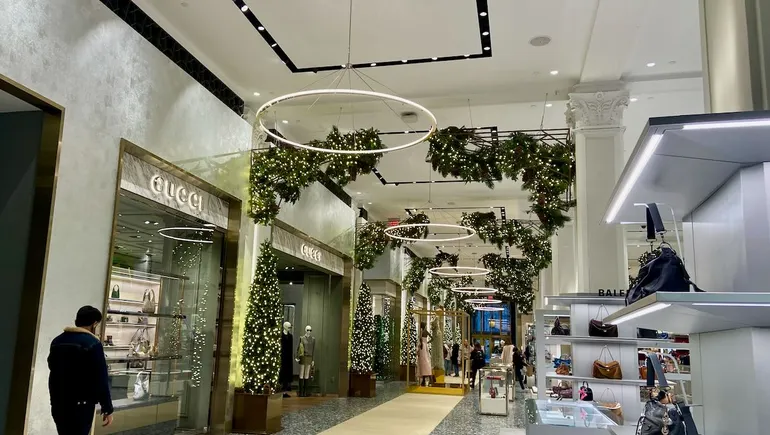
5 reasons why Saks Global’s post-bankruptcy forecast is far-fetched
Financial forecasts submitted by Saks Global during bankruptcy restructuring show plans to achieve approximately 7% compound annual revenue growth from fiscal 2027 to 2030, with projected revenue nearing $7.2 billion by 2030. However, multiple analysts from institutions including GlobalData, Octus, and Bloomberg Intelligence point out that this target requires simultaneously reversing years of decline, outperforming overall luxury market growth, countering the contraction of the department store sector, repairing customer relationships, and addressing diversion to brands' own direct channels—making its real-world feasibility questionable.
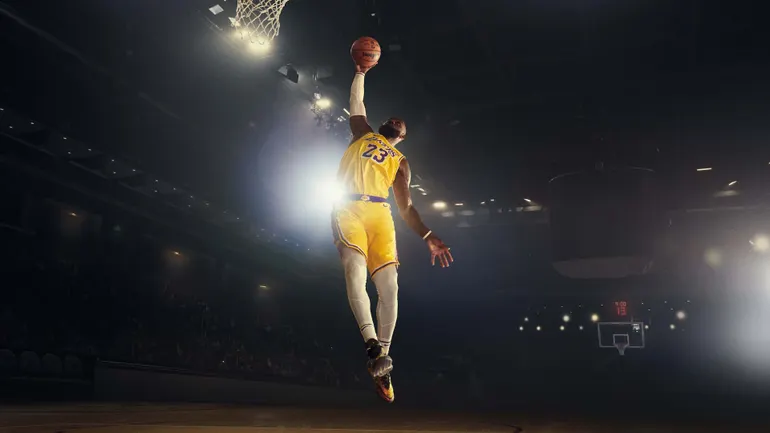
Where Nike’s marketing comeback is stumbling — and where it can still win
Nearly two years into Nike's "Win Now" transformation plan, its marketing still faces challenges such as a lack of clear vision and inconsistent execution. The Boston Marathon advertising misstep sparked controversy, but the women's sports market and recovering North American sales still offer opportunities for revival.
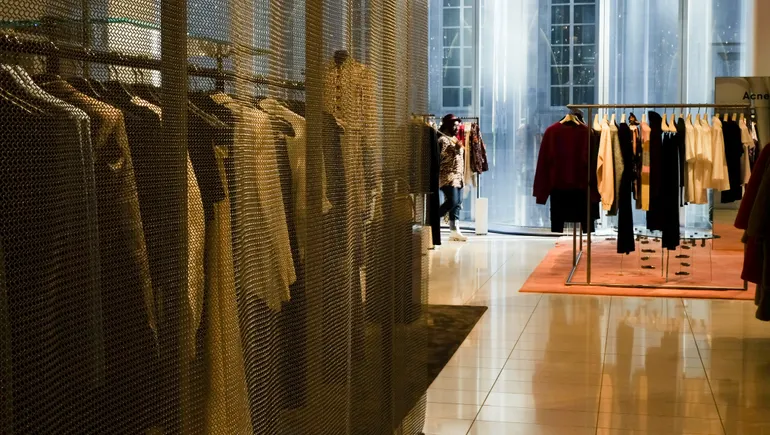
Are retailers ready for what the weight-loss boom requires?
Latest data shows that nearly a quarter of American households use GLP-1 weight-loss drugs, driving changes in consumption of apparel, footwear, and more. However, experts point out that retailers need to address the planning challenges posed by 'size fluctuations' and seize cross-category opportunities, rather than simply adjusting sizes.

Activewear isn’t over. Everything’s just apparel now.
Athleisure brands and traditional apparel brands are increasingly penetrating each other, with category expansion serving as a growth engine. However, shifts in consumer demand and adherence to brand core values determine the direction of competition in this "middle ground."

In the home sector, ‘the weak will get weaker’ this year
In 2026, the home furnishings retail industry will continue to face multiple pressures from weak demand, a sluggish property market, and tariff policy uncertainty. Industry divergence will intensify, with the weak potentially exiting the market while the strong seek growth through value positioning and supply chain adjustments.
What’s up with department stores?
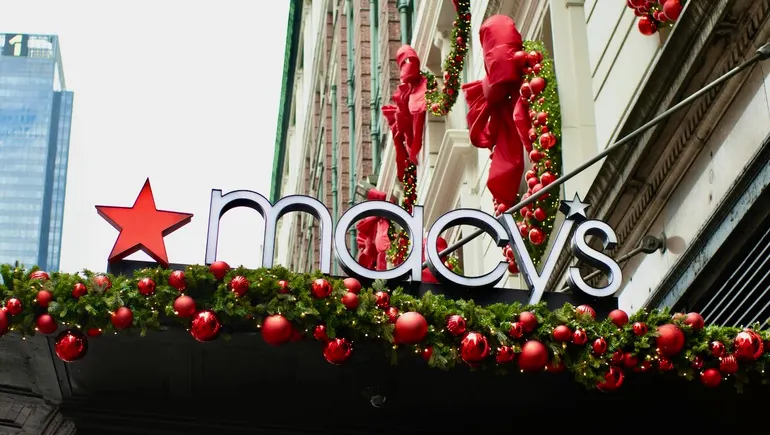
The department store industry is experiencing sustained contraction: Saks Global filed for bankruptcy in mid-January, Macy's announced the closure of 14 more stores and plans to eventually close 150 stores, and Dillard's also had store closures this month. Green Street data shows that the decline of the department store model over the past 15 years has led to the closure of at least 175 shopping malls. However, analysts note that the industry is showing divergence—Dillard's and Nordstrom are performing steadily, Macy's transformation is showing initial results, while Kohl's and Belk still face challenges. Despite the still-large revenue scale, the overall industry contraction trend is expected to continue for several years.
6 retail trends to watch in 2026
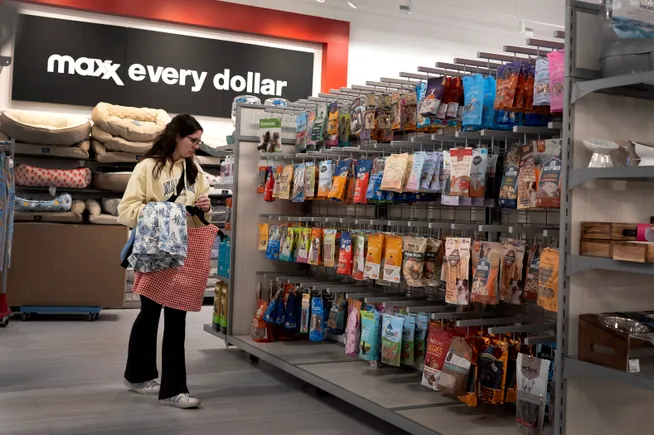
In 2026, the retail industry will continue the tariff turmoil and generative AI investment boom of 2025, while also facing economic uncertainty. Industry forecasts indicate that merger and acquisition deals will decrease in number but increase in individual value, AI applications will accelerate but with greater pressure on returns, consumers will continue to seek value, malls will enter a redevelopment phase, pricing transparency regulations will increase, and competition over delivery speed will intensify.
Saks Global is stuck
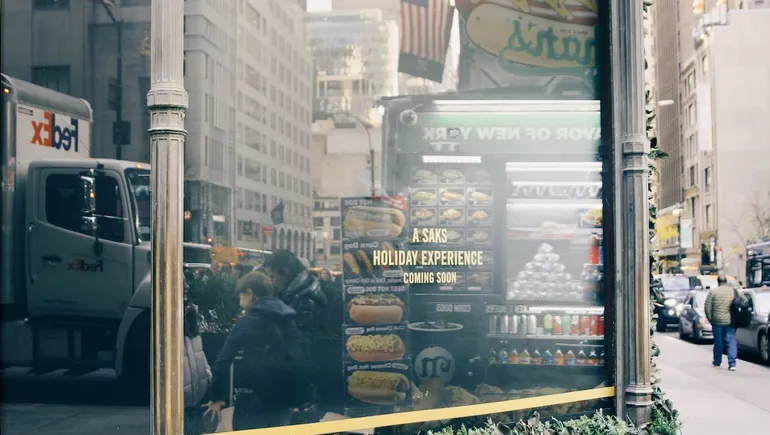
Since acquiring Neiman Marcus for $2.7 billion late last year, Saks Global has been in distress for most of 2025. The company's sales have fallen short of expectations, it carries $4.7 billion in debt, supplier payments are delayed, and executives have been departing. Despite the CEO's insistence that the transformation is progressing well, several analysts and restructuring experts hold a pessimistic outlook, considering the fourth quarter performance crucial, with some even predicting bankruptcy is inevitable.